 Written by
  Edited by
  Edited by

Inheriting a home or other property can increase your net worth, but it can also result in tax consequences. If the property you inherit has appreciated in value since the original owner purchased it, you could be on the hook for capital gains tax should you choose to sell it. However, inherited property generally receives a basis based on its fair market value at the previous owner’s death, rather than carrying over the previous owner’s original purchase price.
Some financial advisors offer tax and estate planning services. Consider working with a financial advisor who can help you create a tax strategy for your estate.
Understanding the Capital Gains Tax
When you inherit property, the biggest tax you may face isn’t an inheritance tax, it’s capital gains tax, which applies if you sell the property for more than its adjusted value. The good news is that inherited property typically receives a “step-up in basis,” meaning its value is reset to the market value on the date of the original owner’s death.
This step-up can significantly reduce, or even eliminate, capital gains if you sell the property soon after inheriting it, because your gain is based only on the appreciation that occurs after the step-up.
If you hold onto the property and it increases in value before you sell, that additional appreciation can be subject to capital gains tax. Inherited property that is a capital asset generally receives long-term capital gains treatment when sold, regardless of how long you personally held it. Understanding how cost basis and timing work together can help you make strategic decisions about when, or whether, to sell.
Because capital gains taxes depend on both your income level and how long you hold the property, estimating the potential tax impact before selling can help you make a more informed decision. Use our income tax calculator to see how a potential sale could affect your taxable income and overall tax liability.
2026 Short-Term Capital Gains Tax Rates
Short-term capital gains are taxed as ordinary income. For tax year 2026, which you will file in 2027, the maximum you could pay for short-term capital gains is 37%. Inherited property that is a capital asset is generally treated as held for more than one year regardless of how long the beneficiary actually owns it, so these short-term rates ordinarily do not apply to the sale of inherited property itself. The following table shows the 2026 federal income tax brackets, followed by 2025 for comparison.
| Rate | Single | Married, Filing Jointly | Married, Filing Separately | Head of Household |
|---|---|---|---|---|
| 10% | $0 – $12,400 | $0 – $24,800 | $0 – $12,400 | $0 – $17,700 |
| 12% | $12,400 – $50,400 | $24,800 – $100,800 | $12,400 – $50,400 | $17,700 – $67,450 |
| 22% | $50,400 – $105,700 | $100,800 – $211,400 | $50,400 – $105,700 | $67,450 – $105,700 |
| 24% | $105,700 – $201,775 | $211,400 – $403,550 | $105,700 – $201,775 | $105,700 – $201,750 |
| 32% | $201,775 – $256,225 | $403,550 – $512,450 | $201,775 – $256,225 | $201,750 – $256,200 |
| 35% | $256,225 – $640,600 | $512,450 – $768,700 | $256,225 – $384,350 | $256,200 – $640,600 |
| 37% | $640,600+ | $768,700+ | $384,350+ | $640,600+ |
For comparison, here’s a breakdown of the federal income tax bracket for short-term capital gains that applied in 2025:
| Rate | Single | Married, Filing Jointly | Married, Filing Separately | Head of Household |
|---|---|---|---|---|
| 10% | $0 – $11,925 | $0 – $23,850 | $0 – $11,925 | $0 – $17,000 |
| 12% | $11,925 – $48,475 | $23,850 – $96,950 | $11,925 – $48,475 | $17,000 – $64,850 |
| 22% | $48,475 – $103,350 | $96,950 – $206,700 | $48,475 – $103,350 | $64,850 – $103,350 |
| 24% | $103,350 – $197,300 | $206,700 – $394,600 | $103,350 – $197,300 | $103,350 – $197,300 |
| 32% | $197,300 – $250,525 | $394,600 – $501,050 | $197,300 – $250,525 | $197,300 – $250,500 |
| 35% | $250,525 – $626,350 | $501,050 – $751,600 | $250,525 – $375,800 | $250,500 – $626,350 |
| 37% | $626,350+ | $751,600+ | $375,800+ | $626,350+ |
2026 Long-Term Capital Gains Rates
While short-term capital gains are based on your ordinary income tax rate, long-term capital gains are taxed at 0%, 15% or 20%, depending on your filing status and taxable income for the year. Here are the rates and brackets for 2026:
Federal Long-Term Capital Gains Tax Rates for Tax Year 2026
| Rate | Single | Married Filing Jointly | Married Filing Separately | Head of Household |
|---|---|---|---|---|
| 0% | $0 – $49,450 | $0 – $98,900 | $0 – $49,450 | $0 – $66,200 |
| 15% | $49,450 – $545,500 | $98,900 – $613,700 | $49,450 – $306,850 | $66,200 – $579,600 |
| 20% | $545,500+ | $613,700+ | $306,850+ | $579,600+ |
And, for a comparison, here are the rates for tax year 2025:
Federal Long-Term Capital Gains Tax Rates for Tax Year 2025
| Rate | Single | Married Filing Jointly | Married Filing Separately | Head of Household |
|---|---|---|---|---|
| 0% | $0 – $48,350 | $0 – $96,700 | $0 – $48,350 | $0 – $64,750 |
| 15% | $48,350 – $533,400 | $96,700 – $600,050 | $48,350 – $300,000 | $64,750 – $566,700 |
| 20% | $533,400+ | $600,050+ | $300,000+ | $566,700+ |
Because inherited capital assets generally receive long-term treatment regardless of the beneficiary’s actual holding period, holding inherited property longer solely to qualify for long-term capital gains rates generally is not necessary. Note that some states may also charge their own capital gains taxes.
Capital Gains Tax Rules for Inherited Property
When inheriting property, such as a home or other real estate, capital gains tax generally applies if you later sell the asset for more than its adjusted basis. That basis is usually the property’s fair market value at the decedent’s date of death, rather than the amount the decedent originally paid. Likewise, it’s possible to claim a capital loss deduction if you end up selling the property at a loss and the loss is deductible under the rules that apply to the property’s use. A loss on the sale of a home used as your personal residence generally is not deductible.
The difference with inherited property, however, is that the IRS allows you to use what’s known as a stepped-up basis for calculating capital gains tax liability. The stepped-up basis resets the home’s value to its fair market value at the decedent’s death versus its original purchase price. More precisely, the basis is generally the property’s fair market value on the date of death, although another basis can apply in certain situations, including when an estate properly elects the alternate valuation date.
For example, say your parents bought a home for $100,000 that’s worth $400,000 by the time you inherit it. Without the basis adjustment that generally applies to inherited property, the $300,000 of appreciation that occurred during your parents’ ownership could otherwise affect the gain calculation when the home is sold.
Assume the inherited basis is $400,000 and you hold the property for two years before selling it for $450,000. Ignoring selling costs, improvements and other basis adjustments, your gain would be $50,000.
You wouldn’t avoid all capital gains tax on inherited property, but using the step-up in cost basis can reduce the amount of capital gains tax you’d owe.
How to Avoid Capital Gains Tax on Inherited Property

If you expect to inherit property and you want to avoid paying taxes on it, there are three possible options for minimizing or eliminating capital gains tax altogether.
1. Sell the Property Immediately
The first is to simply sell the property as soon as you inherit it. By selling it right away, the property may have had little time to appreciate after the date of death. So if you inherit your parents’ home and it’s worth $250,000, selling it right away could help you avoid capital gains tax if it’s still only worth $250,000 at the time of the sale. Selling costs and other adjustments can also affect the final gain or loss calculation. This may not work if you want to keep the home in the family.
2. Make the Home Your Primary Residence
Instead of selling the home right away, you could move into it and make it your primary residence. You could then sell the home two years later, potentially excluding some or all of the capital gains from the sale.
The IRS allows single filers to exclude up to $250,000 in capital gains from the sale of a primary home. That exemption rises to $500,000 for married couples filing a joint return. Generally, you must own the home and use it as your main home for at least two years during the five-year period ending on the sale date, along with satisfying the other requirements for the exclusion. The $500,000 joint-return exclusion has additional requirements. So if you can envision yourself living in your parent’s home for at least two years, this is another way you might be able to avoid paying capital gains tax on the property.
3. Rent Out the Property
A third option is to not sell the property and rent it out instead of living in it. This can be a little tricky, however, since there are still tax rules you have to observe. An inherited home that’s treated as an investment property for tax purposes would still be subject to capital gains tax if you decide to sell it. But you could defer paying those taxes if you complete a 1031 exchange to purchase another investment property to replace the one you’re selling. A 1031 exchange must satisfy federal requirements, including rules governing qualifying real property and the timing of identifying and acquiring replacement property.
Disclaiming an Inheritance to Avoid Capital Gains Tax
There’s one more possibility for how to avoid paying capital gains tax on inherited property. That’s simply choosing not to inherit it at all.
You can disclaim an inheritance if you want to avoid potential tax complications if you’d prefer not to get entangled in tax issues related to someone else’s estate. The downside, of course, is that once you disclaim an inheritance, you can’t reverse the decision. Whatever property you forfeited would be passed on to the next person in line to inherit. For a disclaimer to receive qualified-disclaimer treatment for federal gift and estate tax purposes, specific requirements apply, including a written, irrevocable refusal that generally must be delivered within nine months and before you accept the property or its benefits. You also generally cannot direct who receives the disclaimed property.
Bottom Line
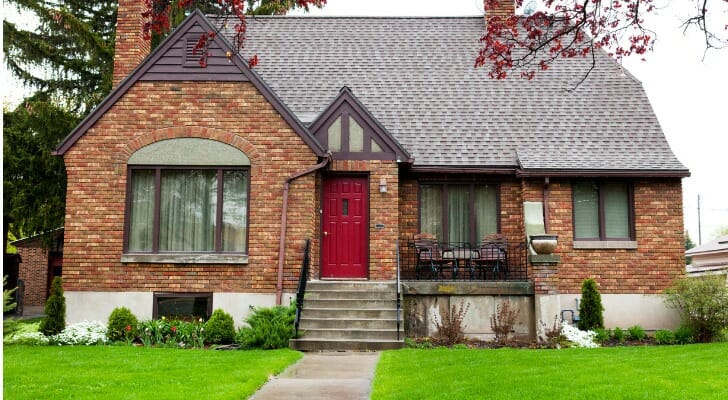
Inheriting property can trigger capital gains tax if you choose to sell it. However, tax generally applies to gain measured from the inherited property’s adjusted basis, which is usually based on its fair market value at the decedent’s death, rather than all appreciation that occurred while the decedent owned it. And there are other taxes you may need to consider, such as state inheritance taxes. If the inherited property is a residence, you may consider living in it for a few years before selling it to take advantage of the IRS’s capital gains exemption. Alternatively, consider renting it.
Tips for Estate Planning
- Consider working with a financial advisor with estate planning expertise. Finding a financial advisor doesn’t have to be hard. SmartAsset’s free tool matches you with vetted financial advisors who serve your area and you can have a free introductory call with your advisor matches to decide which one you feel is right for you. If you’re ready to find an advisor who can help you achieve your financial goals, get started now.
- Property taxes in America are collected by state and local governments. The money collected is generally used to support community safety, schools, infrastructure and other public projects. A property tax calculator can help you better understand the average cost of property taxes in your state and county.
Photo credit: ©iStock.com/AND-ONE, ©iStock.com/Dobrila Vignjevic, ©iStock.com/powerofforever