 Written by
  Edited by
  Edited by
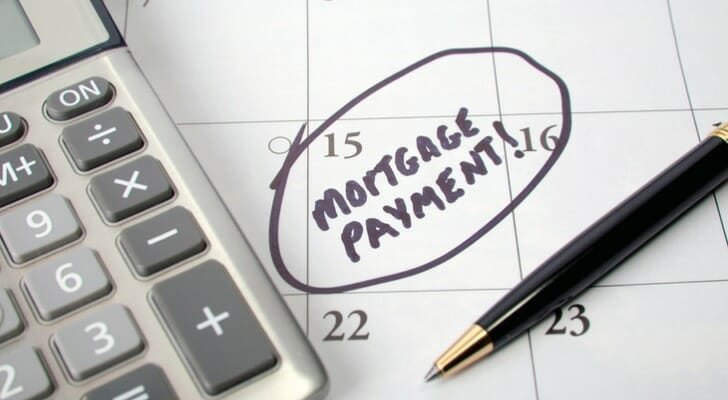
If you can pay off your mortgage ahead of schedule, you can immediately eliminate years of interest you would otherwise owe. Getting rid of your home loan just one or two years early could save you hundreds or even thousands of dollars. However, before you take this approach, there are a few crucial factors to consider, including whether there’s a prepayment penalty. These are six mistakes to avoid when paying off your mortgage early.
A financial advisor can help you determine the best strategy based on your remaining mortgage and overall financial goals.
Key Takeaways
- Paying off a mortgage early doesn’t have to be done all at once. You can do it slowly over time with certain payment strategies.
- Making extra payments directly towards your loan’s principal is optimal.
- It is critical that you consider your entire financial situation, including your monthly expenses, emergency fund and retirement savings, before deciding whether to pay off your mortgage early.
How to Pay Off Your Mortgage Early
The best early payoff strategy for you will depend on your budget and savings, as well as your overall timeline.
There are a few expert-approved options for paying a mortgage off early.
- Make one extra payment per year. This is a simple way to accelerate your mortgage payoff. You can choose when to make the extra payment every year, allowing it to coincide with a tax refund or a year-end bonus at work.
- Pay biweekly instead of monthly. Moving from monthly to biweekly mortgage payments is especially beneficial if you already get paid biweekly. As such, it may be fairly easy to adjust your budget to accommodate this payoff strategy.
- Refinance to a shorter loan term. It could make sense to refinance your mortgage into a shorter loan term if doing so would allow you to pay off the balance sooner. For example, say you have a 30-year fixed with 22 years left on the loan. You could refinance into a 15-year loan and pay off the balance seven years earlier. The potential downside is that a shorter mortgage term often means a higher monthly payment.
- Pay off your balance in cash. If you’re able to save enough money to pay off the balance of your loan in its entirety, then this could be an option for you. Keep in mind that if you’re using your cash to clear your mortgage balance, you’d want to ensure that you have additional savings in reserves in case a financial emergency comes along.
A mortgage calculator can help you estimate your monthly payments and monthly savings from different early payoff methods. If you’re learning toward replacing your existing mortgage with a new one, researching refinance lenders can help you find a loan that fits your situation and needs.
Should I Pay Off My Mortgage Early?
It may seem like a good idea to pay off your mortgage early, but it doesn’t always make sense. Weighing your financial situation and goals, as well as these pros and cons, can help you decide whether to move ahead with your payoff plans.
| Early Mortgage Payoff Pros | Early Mortgage Payoff Cons |
|---|---|
| More funds to save and invest | Delayed investments mean lost time in the market |
| Potentially substantial savings on interest | No mortgage interest deduction after loan payoff |
| Increased home equity with payoff | Increased budget strain on during payoff period |
| Extra peace of mind from home ownership | Potential for debt in the event of a financial emergency |
Ultimately, the right time to pay off your mortgage early depends on your personal financial situation. Make certain that it comes at a time where you are financially stable so that it benefits you over the long haul.
A financial advisor can help you determine the right time to pay off your mortgage.
Mistakes to Avoid When Paying Off Your Mortgage Early

If you’re learning toward an early mortgage payoff, it’s important to protect yourself financially. Making a mistake could cost you in more ways than one. So it’s helpful to know what to avoid so that you’re set up for success.
1. Not Considering All of Your Options
You may be so focused on paying your mortgage off early that you overlook other opportunities. Here’s an example of when an early mortgage payoff may not yield the highest return.
Let’s say you’re considering making a one-time payment of $20,000 toward your mortgage principal. Your original loan amount was $200,000, you’re 20 years into a 30-year term, and your interest rate is 4%. Paying down $20,000 of the principal in one go could save you roughly $8,300 in interest. You will also pay it off completely 2.5 years sooner.
That sounds great, but also consider an alternative. If you invested that money in the S&P 500 stock market index with an average 11.5% rate of return, 1 you could earn $39,399 in interest over those same 10 years.
Everyone’s financial situation is unique. The notion of being out of debt may be so tempting that you end up risking your money. That is why it is crucial that you consider all options before moving forward with paying off your mortgage early.
2. Not Putting Extra Payments Toward the Loan Principal
It is critical to ensure those extra amounts go to playing down the principal. Otherwise, you may not see much progress towards an early pay-off because your extra payments will be absorbed by interest.
These tips can help you handle extra payments so you gain traction with your payoff plans.
- When writing separate checks for extra principal payments, add this direction to the memo line.
- If you pay your mortgage bill online, ask your lender if you are able to include a note specifying how additional payments should be used.
- Contact your lender before and after making extra payments to verify that they are actually applied to the principal.
3. Not Asking If There’s a Prepayment Penalty
Mortgage lenders are in business to make money, and interest is one of the major ways they accomplish that. Therefore, when you pay your mortgage off early, you essentially cost your lender money.
To help cover these losses, some lenders charge a prepayment penalty. This can equal a percentage of a mortgage loan amount or set number of monthly interest payments. If you’re paying off your home loan well in advance, those fees can add up quickly. For example, a 3% prepayment penalty on a $250,000 mortgage would cost you $7,500.
Your mortgage agreement should specify if a prepayment penalty applies and how it’s calculated. Weigh the cost against your potential savings to ensure it makes financial sense for you. If you’re unsure about your penalty, call your lender to verify the details.
4. Leaving Yourself Cash-Poor
Throwing every extra penny at your mortgage is an aggressive way to get out of debt.
It could also backfire if you experience a financial emergency. A job loss or serious illness could derail you financially if you don’t have a solid emergency fund. You may find yourself forced to use your credit card or a loan for emergency cash to cover your bills and expenses.
It is wise to build an emergency fund before focusing on your early mortgage payoff. Use the amount you planned to use for your mortgage and instead park it in a high-yield savings account instead.
Once you have three to six months’ worth of expenses saved you can refocus on paying down your mortgage debt.
5. Choosing the Wrong Refinance Term
Refinancing your mortgage can save you money in several ways. You can convert to either a shorter or longer loan term, depending on what’s best for you.
For example, if you’re 10 years into a 30-year mortgage term, you could potentially refinance to a 10-year term and shave off 10 years. On the flip side, you could go for another 30-year term to lower your monthly payments.
Loans with shorter terms tend to have lower interest rates. This allows you to save on interest while achieving full ownership much sooner. However, shrinking your loan term can significantly increase your monthly payment, so it is important to check your budget here. Should you choose a longer term, you could pay less each month. However, you may not save much – or anything at all – on interest.
Don’t forget about closing costs, either, as these are common with refinance loans. If your lender allows you to roll those costs into your loan, you could pay more. This now puts you on the hook for more interest due to larger loan amount.
6. Ignoring the Impact on Your Long-Term Finances
An early payoff can feel appealing, but it may shift resources away from other priorities.
Extra payments reduce your balance faster, yet they also use cash that could support other financial goals. Keep your retirement contributions, debt reduction, and savings goals in mind, too. Putting more money towards your loan may cost you if your mortgage rate is lower than your anticipated investment returns.
Early payoff also affects your tax situation. As you reduce the balance, the amount of interest you can deduct decreases. Once the mortgage is gone, that tax deduction ends. The impact may be small if you already take the standard deduction, but it is still a change to consider.
Liquidity is another factor. Cash applied to principal becomes home equity, which is not easily accessible. You’d have to sell the home, refinance, or open a home equity line of credit (HELOC). If an unexpected expense occurs you may have limited options for covering those costs, too.
The timing of other goals matters as well. Lower monthly housing expenses can support retirement planning and create a more predictable budget. However, this benefit is best when your emergency savings, retirement contributions and insurance coverage are already on solid footing. An early payoff that disrupts those areas may work against your long-term financial stability.
How Paying Off Your Mortgage Early Affects Long-Term Finances
Before accelerating mortgage payments, it’s important to understand how this choice fits into your broader financial picture. Eliminating debt can feel like a win, but it may have trade-offs, depending on your overall goals, asset allocation and tax situation.
Reduced Investment Flexibility
Extra mortgage payments tie up cash you could invest elsewhere.
If your mortgage rate is lower than the average return from long-term investments, you might see greater growth from investing instead of accelerating debt payments. This is especially relevant if you’re behind on retirement savings or have limited funds in tax-advantaged accounts.
Impact on Tax Deductions
Mortgage interest is tax-deductible, yielding a valuable tax break for homeowners. However, once you pay off the mortgage those deductions disappear.
This change could increase your taxable income, depending on your filing status, income level and other deductions. If you’re close to the standard deduction threshold, the impact may be minimal but is still worth considering.
Liquidity and Opportunity Cost
Cash used to pay off your home cannot be easily accessed in an emergency. While you could increase your home equity with an early payoff, your home’s value isn’t liquid unless you sell, refinance or open a line of credit.
Before committing large sums to early payoff, be sure that you feel secure with the amount of cash you have on hand, especially if your income is unstable or you’re approaching retirement.
Retirement Timing and Lifestyle Goals
Paying off a mortgage early can lower your fixed monthly expenses, which may support an early retirement or reduce your estimated retirement budget. On the other hand, if your mortgage payment is manageable and your savings rate is low, investing extra funds may be better used to invest for long-term security.
Comparing investment returns to potential interest savings over the same time period can put an early payoff in perspective. If you plan to invest extra funds instead, an IRA or 401(k) can help you do so tax-efficiently.
When Paying Off Your Mortgage Early Makes Sense
An early payoff tends to work well when your other financial foundations are already in place. That means your emergency fund covers at least three to six months of expenses, you’re contributing enough to retirement accounts to capture any employer match and your high-interest debt is paid off. If all of those boxes are checked and you still have surplus cash flow each month, directing it toward your mortgage principal is a reasonable use of that money. The decision becomes harder to justify when any of those areas are underfunded.
Interest Rates
Your mortgage interest rate matters more than people often give it credit for. If you’re locked in at 6% or higher and your risk tolerance steers you toward conservative investments that return 4% to 5%, the math favors paying down the loan. You’re effectively earning a guaranteed return equal to your interest rate on every dollar you put toward principal. That guaranteed return becomes less compelling when your rate is 3% and you have decades of investing ahead of you, but for someone carrying a higher rate with a shorter time horizon, the calculus shifts.
Retirement
Proximity to retirement changes the equation. If you’re five to ten years out and your mortgage is your largest monthly expense, eliminating it before your income drops gives you a lower baseline cost of living. That reduced number affects how much you need to withdraw from retirement accounts each year, which in turn affects how long your savings last. For someone planning to live on a fixed income, the predictability of having no housing payment can matter as much as the raw numbers on a spreadsheet.
Stress
Some people carry mortgage debt comfortably for decades. Others find that owing money on their home creates a low-grade stress that affects how they think about every other financial decision. If being debt-free changes how you sleep at night or how willing you are to take appropriate risk in your investment portfolio, that has real financial value even if it doesn’t show up in a comparison chart. Behavioral finance research consistently shows that people make better long-term decisions when they feel financially secure, and for some households, a paid-off home is the foundation of that security.
Taxes
The tax implications are worth running through before you commit. If you’re already taking the standard deduction, losing the mortgage interest deduction won’t change your tax liability at all. If you do itemize, calculate how much the deduction actually saves you in taxes versus how much you’re paying in interest. In many cases, especially with a loan that’s well into its amortization schedule where payments are heavily weighted toward principal anyway, the tax benefit is smaller than people assume. A straightforward comparison of interest paid versus tax saved can clarify whether the deduction is a meaningful reason to keep the mortgage or just a familiar talking point.
Bottom Line
Whether paying off your mortgage early is the right move depends on your cash reserves, your interest rate, what else you could do with the money and how close you are to retirement. There’s no single answer that fits every household, which is why running the numbers with your actual figures matters more than following general advice.
Tips for Buying a Home
- A financial advisor can guide you through major financial decisions, like the purchase of a home. Finding a financial advisor doesn’t have to be hard. SmartAsset’s free tool matches you with vetted financial advisors who serve your area, and you can have a free introductory call with your advisor matches to decide which one you feel is right for you. If you’re ready to find an advisor who can help you achieve your financial goals, get started now.
- Securing a mortgage can be a stressful and confusing process. For starters, you need to figure out what term is best for you, whether you want a fixed or variable interest rate and where to get the best mortgage rates.
Photo credit: ©iStock.com/PickStock, ©iStock.com/wutwhanfoto, ©iStock.com/Andrii Dodonov
Article Sources
All articles are reviewed and updated by SmartAsset’s fact-checkers for accuracy. Visit our Editorial Policy for more details on our overall journalistic standards.
- Learn, Fidelity. “What Is the S&P 500 and Stock Market Average Return? | Fidelity.” Fidelity.Com, Mar. 6, 2026, https://www.fidelity.com/learning-center/trading-investing/sp-500-average-return.