 Written by
  Edited by
  Edited by

A 62-year-old with $1.5 million in a traditional IRA may be wise to consider converting $150,000 per year to a Roth IRA to avoid required minimum distributions (RMDs). The annual withdrawals from retirement accounts that are mandated by RMD rules can raise your tax bill in retirement by adding to your taxable income, even if you don’t need or want the income to cover your expenses. Strategic Roth conversions allow you to distribute RMD-susceptible IRA money into accounts that aren’t subject to RMDs. You’ll have to pay taxes now on any money that gets converted but the move can reduce overall lifetime taxes and improve predictability.
Speak with a financial advisor to get expert guidance on retirement planning strategies personalized to your situation.
RMD Rules
The Internal Revenue Service requires account holders to start taking RMDs from IRAs, 401(k)s and other tax-deferred retirement accounts at age 73. RMDs represent the minimum amount that must be withdrawn each year based on account balances and life expectancy.
While the SECURE 2.0 Act moved the RMD age back to 73 for people who turned 72 after Dec. 31, 2022, the RMD age will increase to 75 for people who reach age 74 after Dec. 31, 2032. This means a person who’s 62 in 2026 won’t face RMDs for another 13 years.
Each RMD withdrawal adds to your taxable income for that year, which can push you into higher tax brackets. While it’s natural to want to avoid that, RMDs are not optional and failing to take them as dictated can subject you to steep financial penalties.
If you need help calculating your RMD amount or want to explore ways to avoid them altogether, speak with a financial advisor.
Roth Conversion Strategy
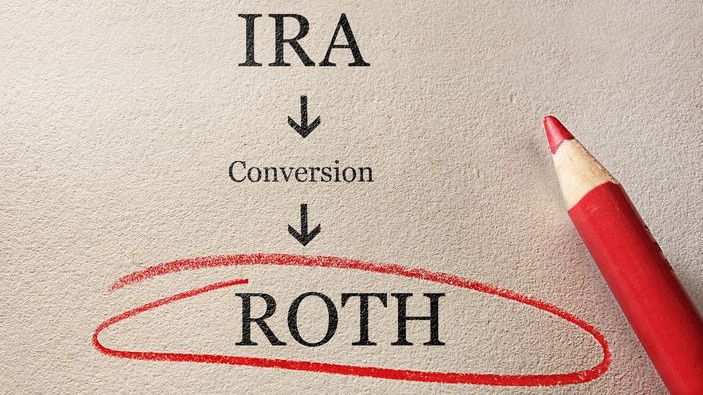
A Roth IRA can provide a way out. Roth accounts aren’t subject to RMD rules and funds within an IRA can be converted into a Roth account. With this in mind, many savers with money in IRAs and similar accounts are interested in Roth conversions and thereby avoid the potential tax implications of RMDs.
There is a catch, however. Traditional IRAs hold pre-tax money that is taxed when it’s withdrawn. Roth withdrawals are tax-free, but when you convert money from a pre-tax account to a Roth, you have to pay income taxes now on all the funds you convert.
Despite this, it turns out that paying taxes on smaller conversions now can result in lower lifetime taxes overall compared to unpredictable RMDs later. You just don’t want to convert too much too fast. That can hike your near-term tax bills unnecessarily.
An incremental Roth conversion that distributes the tax liability over time is one solution. Ideally, this calls for converting just enough each year to fill up your current income tax bracket. For example, say you have an annual income of $130,000, putting you in the 24% federal tax bracket. You could convert up to $61,950 in pre-tax assets this year and keep your marginal tax rate at 24%. Converting any additional funds would push you into the 32% tax bracket.
If you have questions regarding this process or need additional help with your retirement income plan, consider meeting with a financial advisor.
While you’re investigating a gradual Roth conversion, keep in mind the fact that you typically can’t withdraw investment earnings tax-free from a Roth account until five years after your initial contributions were made. That means the earnings generated by funds that you convert today at age 62 won’t be available tax-free for five years. Also, remember that withdrawing money from a Roth IRA less than five years after the conversion can trigger a 10% early withdrawal penalty for people younger than 59 ½ years old. However, this penalty wouldn’t apply to a 62-year-old.
Roth Conversion In Action
A 62-year-old with a $1.5 million IRA could convert $150,000 per year for 10 years, paying ordinary income taxes on the money they convert.
In this scenario, current tax rates would apply to the $150,000 that gets converted each year. By frontloading taxes at today’s rates through incremental conversions, the retiree would avoid tax rates that could be higher in the future.
While this person will have converted $1.5 million worth of pre-tax money by the end of those 10 years, they’ll likely have money leftover in their traditional IRA, assuming their account continues to generate returns each year. This means they still may be subject to RMDs by age 75, although these mandatory withdrawals would be much larger had they not converted any of their money.
Consider working with a financial advisor as you plan your Roth conversions. And if you’re curious whether professional advice is worth the cost, use this calculator to estimate the potential difference it could make over time.
Roth Conversion Risks and Limits

Roth conversions are potent tax-management tools but they also carry risks and limitations. One immediate potential is that you’ll need non-retirement funds to pay conversion taxes or have to pay them out of your retirement funds that would otherwise be able to grow tax-free.
The future, as always, is unknown. Tax rates and laws frequently change and your income and expenses may also fluctuate. If you don’t convert enough, you’ll miss the chance to avoid bigger future RMD tax bills. Converting too much now could push you into higher brackets. Excess conversions could also reduce your future flexibility if tax rates decline.
Additional factors like deductions, state taxes, investment returns and other income also play roles in crafting the best Roth conversion approach. A financial advisor can help you weigh these variables and develop a conversion strategy that may fit your situation.
Bottom Line
Strategic Roth IRA conversions can reduce overall taxes compared to taking mandatory distributions from a traditional IRA. By paying income taxes now through incremental conversions, you can shrink future RMD-driven tax bills. But Roth transfers also create current tax liabilities and can limit your tax-free future access to converted funds. Determining appropriate amounts and timing given uncertain future taxes and rates involves assessments weighing several considerations about the present and making some future assumptions that may not work out.
Retirement Planning Tips
- Connect with a financial advisor to quantify the tradeoffs and optimize the timing of potential Roth IRA conversions. Finding a financial advisor doesn’t have to be hard. SmartAsset’s free tool matches you with vetted financial advisors who serve your area, and you can have a free introductory call with your advisor matches to decide which one you feel is right for you. If you’re ready to find an advisor who can help you achieve your financial goals, get started now.
- To get an estimate of how much you could have in savings when retirement arrives, use SmartAsset’s retirement calculator. This free tool not only can give you an estimate of how much your savings can grow over time, but it will also tell you whether you’re on track to hit that number.
Photo credit: ©iStock.com/DNY59, ©iStock.com/zimmytws, ©iStock.com/Jacob Wackerhausen