 Edited by
  Edited by

Japan has long attracted visitors with its blend of modern cities, efficient infrastructure and deep cultural traditions, but it also draws interest from Americans considering retirement abroad. From world-class public transit and respected healthcare to clean, safe communities and a wide range of living environments, Japan offers qualities that many retirees find appealing. At the same time, relocating there involves more than choosing a destination. Residency rules, taxes, healthcare eligibility and cost of living can all shape whether retiring in Japan is realistic for your situation.
Before you pack your bags, consider planning your move with the help of a financial advisor.
Getting a Japanese Visa
Americans can generally enter Japan without obtaining a visa in advance for short stays of up to 90 days. 1 On entry, they are admitted under Temporary Visitor status, which is used for tourism, business, or visiting friends or relatives, and it does not allow income-earning activities. The Japanese Ministry of Foreign Affairs lists the United States among visa-exempt countries, and for most listed countries the period of stay granted on landing is 90 days.
Staying in Japan longer than 90 days usually requires obtaining a mid- to long-term status of residence. That can include work-related categories, spouse-related categories, student status and, in some cases, a long-stay sightseeing and recreation status for people who meet Japan’s financial requirements. 2
Permanent residence is a separate step. In principle, Japan requires about 10 years of residence before a foreign national can apply. At least half of those years must have come under a work or family visa. 3
Housing Costs in Japan

According to April 2026 data from Numbeo, the overall cost of living in the United States is about 30% higher than Japan. Meanwhile, rents in Japan are nearly 62% lower than in the U.S. 4
The national average housing cost for a one-bedroom apartment in a Japan city center is approximately $556 per month, according to Numbeo. In the United States, a similar apartment would cost $1,668 per month. Furthermore, for a one-bedroom apartment in central Tokyo, for example, rent is about $1,357. In New York, by comparison, a one-bedroom apartment costs about $4,281 on average. Outside of the city center, the same apartment in Tokyo would cost about $760, and in New York would cost about $2,861. 5 Despite the comparatively lower housing costs in Tokyo, the city is still among the most expensive in the world.
Because rent is significantly less in Japan than in the United States, you can live a similar lifestyle for less. The cost of consumer goods is also a bit less in Japan than in the United States, so your overall lifestyle will be less expensive in Japan than in America.
Taxes in Japan
It’s very difficult to get a permanent resident visa or a long-term visa in Japan. However, if you do obtain one of these visas, you will be subject to taxes. If you’re a non-resident and have a one-year visa, you will only pay taxes on income earned in Japan. Conversely, if you are a non-permanent resident and have lived in Japan for less than five years, you will pay income taxes on all of your income except foreign income that is not remitted to Japan. If you are a permanent resident, you will pay taxes on all income earned in Japan and abroad.
As a U.S. resident, you will be expected to file taxes in the U.S. each year. You will have to report any foreign bank accounts as well. If you earn any money outside of the U.S., you can use a few different provisions to reduce your U.S. taxable income. These include the foreign earned income exclusion, the foreign tax credit and the foreign housing exclusion, among others. If you’d like to forecast your tax burden more specifically, you may want to consult with a tax expert who is familiar with both U.S. and Japanese tax laws.
Healthcare in Japan
Japan has a universal healthcare system that is widely regarded for strong health outcomes, broad access to care and relatively low costs compared with many other developed countries. The country’s healthcare system ranked No. 13 among 110 nations in a 2025 study published by CEO World Magazine. 6
For Americans retiring in Japan, access to the public healthcare system generally depends on obtaining a qualifying long-term residency status and registering as a resident. Short-term visitors entering on tourist status are not typically eligible for Japan’s public insurance programs. Once enrolled, many working-age residents pay around 30% of covered medical expenses, though lower rates may apply in some cases and monthly out-of-pocket costs can be capped for expensive treatment.
Many retirees also keep private international insurance or supplemental coverage to help with services not fully covered, English-language care options or treatment outside Japan. Because residency status and insurance eligibility are closely connected, Americans considering retirement in Japan often review visa options and healthcare enrollment rules together before relocating.
Retirement is going to happen sooner than many expect. Calculate whether your portfolio is on track:
Safety in Japan
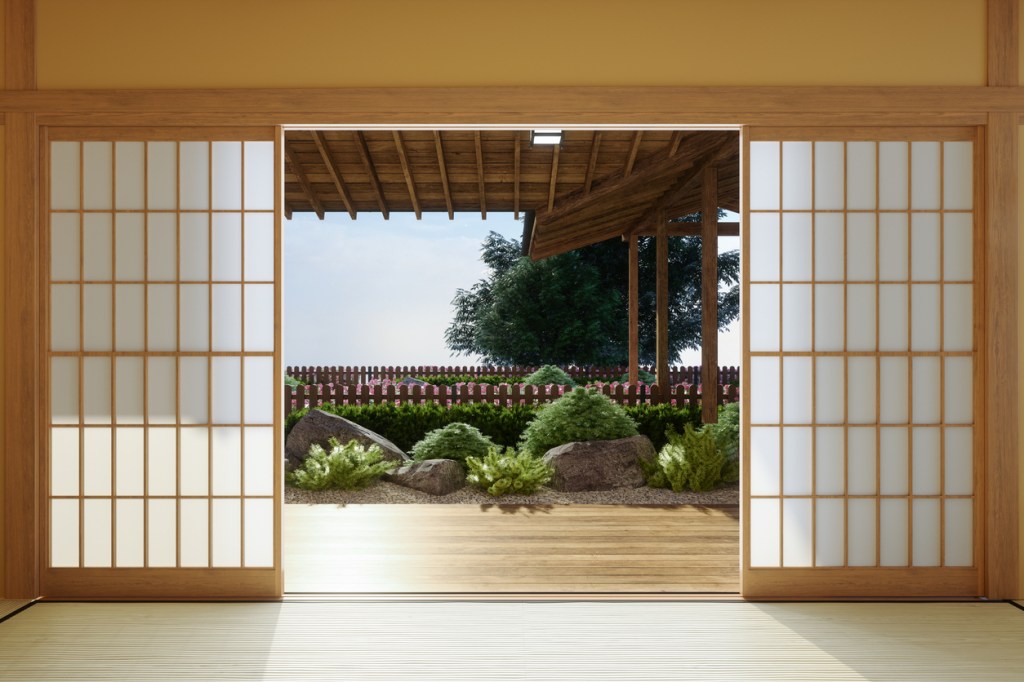
Japan has a very low crime rate. As with traveling anywhere, travelers are warned to be mindful in crowded spaces, as pickpocketing and other petty crimes do happen. Overall, the food quality is very high in Japan and there is very little risk of foodborne illness.
Japan is prone to earthquakes and other natural disasters. While these are not everyday occurrences, it is important to be aware that these events do happen. Fire is the second most dangerous natural disaster in Japan, especially during an earthquake.
If you feel at risk, Japan has “kobans” around cities. A koban is a small neighborhood police box that offers direct access to local law enforcement. If you have been robbed or need help during an emergency, you can go there for assistance.
Bottom Line
Japan can be an appealing retirement destination for Americans seeking modern infrastructure, strong public safety, reliable healthcare and a distinctive cultural experience. While securing long-term residency can be more challenging than in some other countries, those who qualify may find that Japan offers a high quality of life and, in many areas, lower living costs than the United States. For retirees considering the move, reviewing visa pathways, taxes, healthcare access and day-to-day expenses can help determine whether Japan is a practical fit.
Tips for Achieving Your Retirement Goals
- Consider talking to a financial advisor about your retirement plans abroad. Finding a financial advisor doesn’t have to be hard. SmartAsset’s free tool matches you with vetted financial advisors who serve your area, and you can have a free introductory call with your advisor matches to decide which one you feel is right for you. If you’re ready to find an advisor who can help you achieve your financial goals, get started now.
- It’s tough to plan for your retirement if you aren’t sure what kind of costs you’ll have when you retire. To get an idea of what to expect, stop by our retirement calculator. To use this, you’ll need a few details about where you want to retire, when you want to retire and how much you have in savings.
Photo credit: ©iStock.com/tawatchaiprakobkit, ©iStock.com/StockByM, ©iStock.com/onurdongel
Article Sources
All articles are reviewed and updated by SmartAsset’s fact-checkers for accuracy. Visit our Editorial Policy for more details on our overall journalistic standards.
- “Japan.” Travel.State.Gov, 11 Aug. 2025, https://travel.state.gov/en/international-travel/travel-advisories/japan.html#:~:text=You%20must%20have%20a%20valid,day%20%22visa%20free%22%20entry.
- “Work or Long-Term Stay.” Ministry of Foreign Affairs of Japan, 22 Jan. 2026, https://www.mofa.go.jp/j_info/visit/visa/long/index.html.
- “Permanent Resident Visa.” June Advisors Group, https://www.juridique.jp/visa/pr.php.
- “Cost of Living in Japan.” Numbeo, 16 Apr. 2026, https://www.numbeo.com/cost-of-living/country_result.jsp?country=Japan.
- “Cost of Living Comparison Between New York, NY and Tokyo.” Numbeo, 16 Apr. 2026, https://www.numbeo.com/cost-of-living/compare_cities.jsp?country1=United+States&country2=Japan&city1=New+York%2C+NY&city2=Tokyo.
- 2025 CEOWORLD Health Care Index. CEO World Magazine, 21 Sept. 2025, https://ceoworld.biz/2025/09/21/countries-with-the-best-health-care-systems-2025/.