 Edited by
  Edited by

Health insurance and retirement plans are often the first benefits employees consider. However, many workplace perks extend far beyond basic coverage. Ancillary benefits like dental insurance, disability coverage, life insurance and wellness programs can provide valuable perks. They help protect your finances, reduce out-of-pocket expenses, and provide added peace of mind during unexpected situations.
A financial advisor can help you evaluate which ancillary benefits are worth paying for and how they fit into your broader financial plan.
What Are Ancillary Benefits?
Ancillary benefits are supplemental insurance or workplace benefits that support employees beyond standard health coverage and retirement plans. These benefits are often offered by employers as part of a broader compensation package. They often include services like dental insurance, vision coverage, life insurance, disability insurance, and wellness programs. While ancillary benefits are not always considered essential, they can improve employees’ overall financial well-being.
Employers typically provide ancillary benefits through group insurance plans that allow employees access to lower costs. In some cases, employers pay the full premium, while other benefits may require employees to share the cost through payroll deductions. Employees usually have the option to enroll during open enrollment periods or after qualifying life events such as marriage or the birth of a child.
Some employers also offer voluntary benefits, which are ancillary benefits paid entirely by the employee but offered at group rates. These can include accident insurance, critical illness coverage, legal services and identity theft protection.
Ancillary benefits can play an important role in both financial planning and employee retention. Workers often evaluate benefits packages carefully when comparing job opportunities, especially as healthcare and living costs continue to rise. A strong benefits package may help employees reduce out-of-pocket expenses and feel more financially secure.
Common Types of Ancillary Benefits
Ancillary benefits can cover a wide range of financial, healthcare, and lifestyle needs. Employers often combine several options into a benefits package to help employees manage expenses and protect against unexpected events.
Types of Insurance
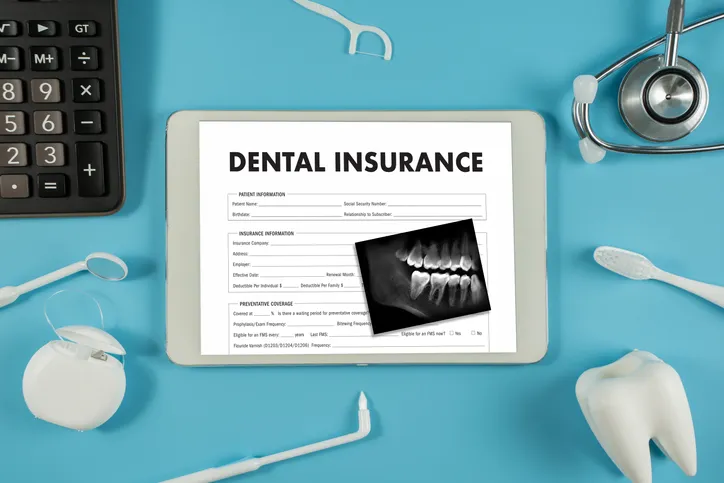
- Dental insurance: Dental plans may help cover preventive care, cleanings, fillings, orthodontics and other dental procedures. These benefits can reduce out-of-pocket costs for routine and major dental care. Through an employer, dental coverage typically costs between $20 and $50 per month for an individual. For example, a dental crown can cost between $800 and $2,500 without insurance, according to Authority Dental. 1 With a plan that covers 50% of major services, an employee could cut that cost roughly in half.
- Vision insurance: Vision coverage often includes eye exams, prescription glasses, contact lenses and discounts on corrective procedures. These plans can be especially useful for employees and families with ongoing vision care needs. Employer-sponsored vision plans often cost between $5 and $15 per month for an individual, making them one of the least expensive ancillary benefits available.
- Life insurance: Employer-sponsored life insurance provides a financial benefit to designated beneficiaries if the employee dies. Many employers offer basic coverage at no cost, with the option to purchase additional protection. Basic employer-provided life insurance is often equal to one or two times the employee’s annual salary. Employees who want more coverage can typically buy supplemental life insurance through the employer at group rates, which are generally lower than individual policy rates.
- Disability insurance: Short-term and long-term disability insurance can replace a portion of an employee’s income if illness or injury prevents them from working. This type of coverage may help workers maintain financial stability during extended absences. According to ADP, short-term disability wage replacements can range from 40% to 70% of income, with a monthly benefit maximum in some cases. 2 Long-term disability can extend coverage for years or until retirement age. For example, an employee earning $70,000 per year who becomes unable to work due to surgery could receive roughly $2,300 to $4,000 per month through a short-term disability plan, depending on their plan’s replacement percentage.
- Pet insurance: Pet insurance helps cover veterinary expenses for illnesses, injuries or routine care. Employers increasingly offer this benefit as more workers seek financial support for pet-related costs.
Specialized Accounts
- Commuter benefits: Commuter programs may allow employees to use pre-tax income for transportation expenses such as parking, public transit or ridesharing. These benefits can reduce commuting costs for workers in urban areas.
- Flexible spending accounts (FSAs): FSAs allow employees to set aside pre-tax dollars for qualified healthcare or dependent care expenses. These accounts can lower taxable income while helping workers pay for eligible costs. For 2025, the healthcare FSA contribution limit is $3,300. An employee in the 22% tax bracket who contributes the full amount could save roughly $726 in federal income taxes. However, most FSA funds must be used within the plan year or they are forfeited, so it is important to estimate expenses carefully before choosing a contribution amount.
- Health savings accounts (HSAs): HSAs are tax-advantaged savings accounts paired with eligible high-deductible health plans. Funds can be used for qualified medical expenses and may roll over from year to year. Unlike FSAs, HSA balances do not expire. Unused funds can be invested and grow tax-free, making an HSA a potential long-term savings tool. Some financial planners recommend maxing out HSA contributions and paying current medical expenses out of pocket when possible, allowing the HSA balance to compound over time for use in retirement.
- Employee assistance programs (EAPs): EAPs provide confidential counseling and support services for issues like stress, mental health, family challenges or substance abuse. Some programs also offer legal or financial counseling resources. EAPs are typically employer-funded at no cost to the employee and usually offer a set number of free sessions per issue per year.
Which Ancillary Benefits Are Worth Paying For?
Not every ancillary benefit is worth the cost for every employee. The right mix depends on your health, family situation, income and what coverage you already have. Open enrollment is a good time to reassess, especially after a life change like a new child, a planned surgery or a shift in your spouse’s benefits. Let’s evaluate five major options:
- Disability insurance is often the most overlooked and most valuable ancillary benefit. If your income covers rent, a mortgage or childcare, losing it for even a few months could force you into debt or drain your savings. A short-term disability plan could replace 40% to 70% of your paycheck during recovery. On a $70,000 salary, that could mean roughly $2,300 to $4,000 per month while you recover.
- Dental insurance is typically one of the easiest benefits to justify. At $20 to $50 per month through an employer, it covers preventive visits at little or no additional cost. Where it adds real value is on major procedures. A single crown can cost $800 to $2,500 without insurance. With a plan that covers 50% of major services, an employee could cut that cost roughly in half.
- Vision insurance costs less than almost any other benefit, often $5 to $15 per month through an employer. If you wear glasses or contacts, the annual savings on exams and lenses will typically exceed what you pay in premiums. If you have no prescription, it may not be worth carrying.
- Employer-provided life insurance is usually free at the basic level and worth taking for that reason alone. But basic coverage is often limited to one or two times your salary, which may not be enough if you have dependents, a mortgage or college savings to protect. Compare the basic amount to your actual obligations and consider supplemental coverage to close the gap.
- Voluntary benefits like accident insurance or critical illness coverage pay a lump sum if a specific event occurs, such as a broken bone, a hospital stay or a cancer diagnosis. These can be useful for employees in physically demanding jobs or those with limited emergency savings. If you already have a solid emergency fund and comprehensive health coverage, the added cost may not be worth it.
Before enrolling, compare what each benefit costs per month to what you would pay out of pocket without it. Check whether you already have similar coverage through a spouse’s employer or another source. Review provider networks, waiting periods and exclusions, since a lower premium can cost more if your providers are out of network or key services are not covered right away.
How to Get Ancillary Benefits If Your Employer Doesn’t Offer Any
Employees whose employers do not provide ancillary benefits may still be able to purchase coverage directly from insurance companies or through private marketplaces. Individual dental, vision, life and disability insurance policies are widely available and can help fill gaps in financial protection and healthcare coverage.
While individual policies may cost more than employer-sponsored group plans, they often provide flexibility in choosing coverage levels and providers. Comparing multiple insurers can help consumers find plans that fit both their needs and budgets.
Professional associations, trade groups, and membership organizations sometimes offer access to discounted ancillary benefits for members. Freelancers, contractors and self-employed workers may find these programs especially useful if they lack access to employer-sponsored coverage. In some cases, consumers may also find supplemental benefits through health insurance marketplaces or bundled insurance packages.
Even without employer-sponsored benefits, some individuals can still open tax-advantaged accounts to help manage healthcare expenses. For example, people enrolled in eligible high-deductible health plans may qualify to contribute to a health savings account (HSA), while flexible spending accounts (FSAs) may be available through certain employment arrangements.
5 Ways a Financial Advisor Can Help With Ancillary Benefits
A financial advisor can review your benefits package alongside your income, expenses, savings and existing coverage to help you decide which ancillary benefits are worth paying for and which ones you can skip. Here are five ways they can help:
1. Review Your Benefits Package During Open Enrollment
An advisor can go through your employer’s full benefits offering and flag which options add value based on your income, health needs and family situation, and which ones you are overpaying for or missing entirely.
Example: An employee with a new baby asks their advisor to review open enrollment options. The advisor recommends adding dependent dental and vision coverage, increasing life insurance to three times salary and enrolling in a dependent care FSA to reduce taxable income by up to $5,000 per year. The total cost of the added benefits is about $120 per month, but the tax savings and added protection far outweigh the premiums.
2. Calculate Whether Your Disability Coverage Is Enough
An advisor can compare your fixed monthly expenses to what your employer’s disability plan would actually pay and identify whether there is a gap that could leave you short during a medical leave.
Example: An advisor reviews a client’s budget and finds that fixed monthly expenses total $4,200. The employer’s short-term disability plan replaces only 50% of the client’s $70,000 salary, which comes to about $2,900 per month. That leaves a $1,300 monthly shortfall. The advisor recommends supplemental disability coverage to close the gap before it becomes a problem.
3. Determine Whether Your Life Insurance Covers What Your Family Actually Needs
An advisor can measure your employer’s basic life insurance amount against your mortgage, debts, dependents and future obligations like college savings to see whether the coverage is enough or falls short.
Example: A client’s employer provides life insurance equal to one times their $85,000 salary. The advisor calculates that the client has a $320,000 mortgage, two young children and a spouse who works part-time earning $25,000 per year. The $85,000 death benefit would cover roughly one year of the family’s expenses, leaving no cushion for the mortgage, childcare or long-term needs. The advisor recommends a separate 20-year term policy to cover the gap.
4. Eliminate Duplicate Coverage Across Household Plans
An advisor can compare benefits across both partners’ employers and identify where you are paying twice for the same protection without gaining additional value.
Example: A married couple discovers they are each paying for individual dental and vision plans through their respective employers. The advisor identifies that one employer’s family plan covers both of them at a lower combined cost than two separate individual plans, saving them roughly $480 per year.
5. Build an HSA or FSA Strategy That Fits Your Tax Situation
An advisor can help you choose between an HSA and an FSA, determine the right contribution amount and decide whether to spend or save the balance based on your health plan, tax bracket and long-term goals.
Example: A client enrolled in a high-deductible health plan is contributing just enough to their HSA to cover current medical expenses. The advisor recommends maxing out the annual contribution and paying smaller medical bills out of pocket instead of drawing from the HSA. Over 20 years, the untouched HSA balance could grow into a significant tax-free reserve for healthcare costs in retirement.
Bottom Line
Ancillary benefits can provide valuable financial protection and help employees manage healthcare, income and lifestyle-related expenses beyond standard medical insurance. Whether offered through an employer or purchased individually, benefits like dental insurance, disability coverage and life insurance can play an important role in a broader financial plan. Carefully evaluating coverage options during open enrollment or exploring alternatives independently can help consumers build a benefits package that supports both their current needs and long-term financial security.
Financial Planning Tips
- A financial advisor can review your benefits package and help you decide which ancillary benefits to keep, add or skip based on your income, health needs and financial goals. Finding a financial advisor doesn’t have to be hard. SmartAsset’s free tool matches you with vetted financial advisors who serve your area, and you can have a free introductory call with your advisor matches to decide which one you feel is right for you. If you’re ready to find an advisor who can help you achieve your financial goals, get started now.
- Understanding your benefits starts with knowing the terminology. Here are 10 health insurance terms you should know before your next open enrollment.
- If your HSA is invested in mutual funds or other financial products, your asset allocation matters. Use our asset allocation calculator to find an investment mix that fits your risk tolerance and timeline.
Photo credit: ©iStock.com/designer491, ©iStock.com/juststock
Article Sources
All articles are reviewed and updated by SmartAsset’s fact-checkers for accuracy. Visit our Editorial Policy for more details on our overall journalistic standards.
- Dental Crown Cost With & Without Insurance | Price Breakdown. Accessed https://www.authoritydental.org/dental-crown-cost.
- Short-Term Disability: What Qualifies and How It Works. https://www.adp.com/resources/articles-and-insights/articles/s/short-term-disability.aspx.