 Written by
  Edited by
  Edited by

Social Security benefits are incredibly important for many retirees’ income plans, as it often helps close the gap between their retirement savings and needs. Understanding the average social security can help you gauge either where you stand against your peers or what you can expect when you apply for benefits. The Social Security Administration (SSA) reports on these figures so you can plan ahead.
Do you have questions about planning for retirement and Social Security? Speak with a financial advisor today.
The Average Social Security Check
According to the SSA monthly snapshot 1 , retired workers received an average Social Security check of $2,008.31 in 2025. That translates to $24,099.72 a year, or if you were working a full-time job, about $11.59/hour. In turn, that’s really not a lot of money for someone to get by on their own, so it’ll likely be necessary for you to supplement this with your own retirement savings.
Depending on the age you take Social Security, the maximum total monthly benefit for 2025 ranges from $2,831 to $5,108, or $33,972 to $61,296 yearly. That’s assuming you’ve been in the highest tax bracket since you started working at age 22, so for most people, these are not realistic.
The Average Social Security Check by Age

How much you receive in your Social Security check depends on when you elect to take it. The earlier you receive benefits, the fewer these benefits will be. Let’s take a look using the most recent December 2025 data 2 from the SSA that demonstrates the differences.
You can elect to receive Social Security before full retirement age in exchange for a reduced monthly payment. This starts at age 62. In 2025, the average Social Security check for a retiree was around $1,960.18, which is $23,522.16 a year.
However, if you’re born after 1960 and take Social Security, your benefit is reduced by 30% if you take it at age 62. If you were born before 1960 but aren’t at full retirement age yet, use this benefit reduction chart provided by the SSA. It outlines what the reduction percentage would be, as well as when exactly you’ll hit full retirement age.
When to Take Social Security
The best age to take Social Security benefits is a subject of frequent debate. If you claim your Social Security benefits early, not only will you receive less money, but you have a strict limit on the amount you can earn. In 2026, that earnings limit is $24,480. For every $2 you earn over this, the Social Security Administration will penalize your payout by $1.
For people who expect to live until at least 80, it’s generally accepted that the best move is to delay Social Security benefits for a certain amount of time. With this method, you may work longer in exchange for collecting the most you can every month.
If you need the money, however, it may be best to take Social Security when you reach full retirement age. Only you can make this decision. Everyone’s physical and financial health is different, and there are a lot of factors you need to weigh. Research your options and consult with others, including a financial advisor before you decide what to do.
How Much Will My Social Security Check Be?
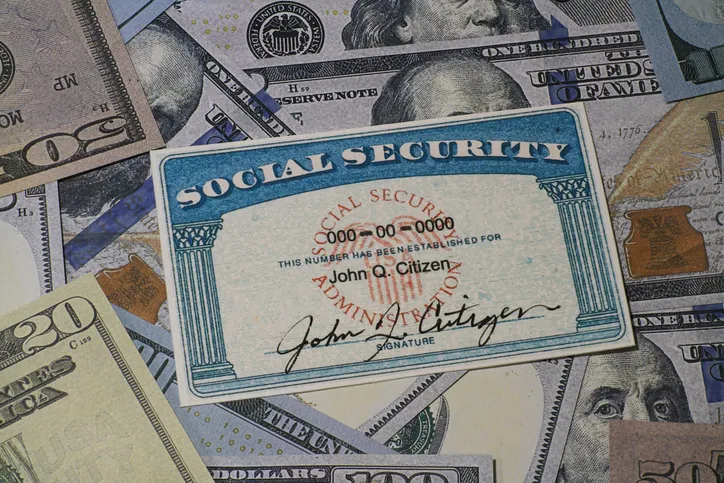
The average Social Security check provides a useful benchmark, but it doesn’t tell the whole story. In general, average monthly benefits reflect what a typical retired worker receives, not what any individual can expect. Your own benefit may be higher or lower depending on your earnings history and when you claim.
Social Security benefits are based on your highest 35 years of earnings, adjusted for inflation. Higher lifetime earnings generally translate into larger monthly checks, while gaps in work history can reduce benefits. Claiming age also plays a major role, with earlier claims resulting in smaller payments and delayed claims increasing monthly income.
You can begin claiming Social Security as early as age 62, but doing so permanently reduces your benefit. Waiting until your full retirement age allows you to receive 100% of your earned benefit, while delaying up to age 70 earns delayed retirement credits. These credits can significantly increase your monthly check over time.
Social Security benefits are adjusted annually through cost-of-living adjustments, or COLAs, which are designed to help benefits keep pace with inflation. The average check in 2026 will reflect any COLAs applied in prior years. While COLAs help preserve purchasing power, they don’t increase benefits equally for everyone.
Married individuals may be eligible for spousal or survivor benefits, which can affect how much a household receives overall. In some cases, coordinating claiming strategies between spouses can increase lifetime benefits. These rules add complexity and make personalized planning especially important.
Knowing the average Social Security check can be helpful, but it shouldn’t replace individual planning. Your benefit depends on personal factors such as income, work history and retirement timing. A financial advisor can help estimate your expected benefit and determine how Social Security fits into your broader retirement income plan.
Bottom Line
The average Social Security check isn’t enough to be your sole income. To retire securely and comfortably, you’re going to need a comprehensive plan. For many people, retirement is where they go from one primary income source to multiple sources. Retirement accounts, a part-time job, Social Security and other income streams have to come together to make your retirement work
Tips for Planning for Retirement
- A financial advisor can show you how Social Security fits with other income sources in your retirement plan. Finding a financial advisor doesn’t have to be hard. SmartAsset’s free tool matches you with vetted financial advisors who serve your area, and you can have a free introductory call with your advisor matches to decide which one you feel is right for you. If you’re ready to find an advisor who can help you achieve your financial goals, get started now.
- You need to know how much you’ll need for retirement. Use SmartAsset’s retirement calculator to get an estimate of how much to save that you can start your financial planning with.
Photo credit: ©iStock.com/Zinkevych, ©iStock.com/kali9, ©iStock.com/kali9 Richard Stephen
Article Sources
All articles are reviewed and updated by SmartAsset’s fact-checkers for accuracy. Visit our Editorial Policy for more details on our overall journalistic standards.
- Social Security Administration (SSA). Monthly Statistical Snapshot August 2025, https://www.ssa.gov/policy/docs/quickfacts/stat_snapshot/.
- Social Security Administration (SSA). Retired worker beneficiaries in current payment status at the end of December 2025 distributed by age and sex, https://www.ssa.gov/policy/docs/quickfacts/stat_snapshot/.