 Written by
  Edited by
  Edited by

If you want to spend your retirement in year-round warmth with the backdrop of rain forests and beaches, the Philippines may be your ideal option. The cost of living in the Philippines is significantly lower than in the U.S., and the government takes steps to make it especially welcoming to expats. But there are some pitfalls related to this move that you’ll want to avoid. Before you decide to settle down and retire in the Philippines, it may be beneficial to speak with a financial advisor.
Cost of Living in The Philippines
If you’re finding it hard to stretch your dollar in the U.S., you might want to consider the the Philippines for your golden years. Numbeo, a major database of economic conditions in different countries, reports that the cost of living in the Philippines is significantly lower than it is in the U.S. Below, we compare the Philippines and the U.S. in terms of specific costs, as of February 2025:
- Rent Prices: 82.9% lower than in the U.S.
- Consumer prices with rent: 64.6% lower than in U.S.
- Restaurant meal prices: 72.4% lower than in U.S
- Grocery prices: 52% lower than in U.S.
International Living, a magazine that extensively covers the costs of residing in different countries, reports that most expats can live comfortably on just $1,500 per month. That includes housing and going out to enjoy what the Philippines has to offer.
Getting Your Visa in the Philippines
To retire in the Philippines with a valid visa, you may have to jump through a few hoops. But we’ll walk you through the process step by step.
First, you need to obtain a variety of the Special Resident Retiree’s Visa (SRRV). Its most attractive option is the classic option. To qualify for one, you have to meet the following requirements:
- Be at least 50 years old
- Deposit at least $10,000 into a Philippines bank if you have guaranteed monthly income (covers you and two dependents)
- Deposit $15,000 for each additional dependent
- Have proof of pension that pays at least $800 a month ($1,000 for applicants with dependents)
The good news is that “pension” can refer to most sources of retirement income including Social Security benefits.
The one-time visa application fee is $1,400 for the head of household, plus $300 for each additional family member. You also have to pay an annual fee of $360 to renew it. This fee covers you, your spouse and one child. You also have to pay $100 for each additional child if you have any.
In addition to your visa, you must obtain an Alien Certificate of Registration (ACR-I) card with a microchip containing bio-metric data. It also contains your fingerprints. This card serves as your re-entry permit along with your valid passport with a visa stamp. It costs $50, and you must renew it each year.
Retiree Housing in the Philippines
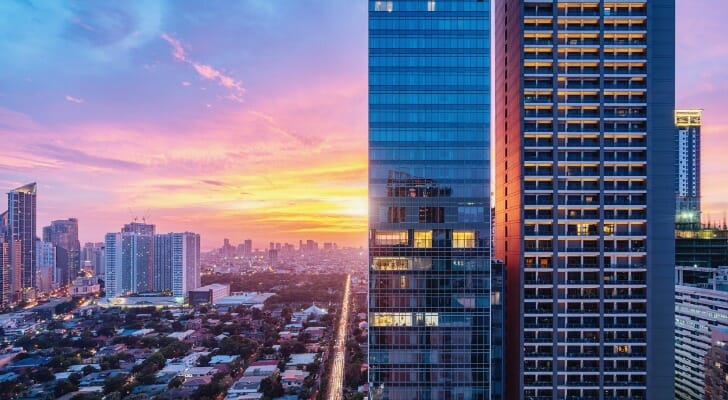
Foreign retirees in the Philippines have several housing options, but legal restrictions limit direct land ownership. While foreigners cannot own land, they can purchase condominiums, as long as foreign ownership in a building does not exceed 40%. Another option is leasing land through long-term contracts, which can extend up to 50 years with a 25-year renewal.
For those interested in homeownership, one solution is buying property through a Philippine spouse or corporation. Marrying a local citizen allows joint ownership of a house, though the land must remain in the spouse’s name. Alternatively, retirees can establish a domestic corporation, where at least 60% of shares are owned by Filipino citizens, enabling the entity to purchase land.
Those using an SRRV Classic visa can apply their deposit toward a property purchase, provided it meets the Philippine Retirement Authority’s guidelines.
That said, it’s important to research a potential location with laser focus. Some areas in the Philippines lack sufficient infrastructure. This means power outages and water stoppages can become the norm in some places. You’re also going to want to have easy access to healthcare, banks and entertainment.
Calculate whether your retirement savings is on track for what you’ll need to retire in the Philippines or elsewhere:
Access to Healthcare in the Philippines
Obtaining healthcare may be a challenge in the Philippines depending on where you stay. If you live in the capital, Manila, it’s very easy to get access to healthcare. However, other areas lack sufficient healthcare facilities. This can pose a serious issue for those with chronic conditions or expats who require frequent medical attention.
But if you have easy access to hospitals, healthcare costs significantly lower than it does in the U.S. and you can easily sign up for a local health insurance plan. You can also apply for the government healthcare program PhilHealth. Unfortunately, however, hospitals in the Philippines don’t accept traditional Medicare. Plus, many hospitals require payment at the point of service.
But if you’re in the military, you may be able to access local VA clinics.
Taxes for Retired Expats in the Philippines
The tax code in the Philippines is particularly friendly to expats. Resident aliens are taxed only on income they get from sources within the Philippines. Foreign-sourced income, including Social Security, pensions, and investment earnings, is not taxed as long as it is not remitted through a Philippine employer or business.
The taxes that you may have to pay will depend on the type of income you receive. Compensation is basically paycheck income, which is taxed at a rate ranging from 0% to 35%.
Passive income is typically subject to what’s known as final tax in the Philippines. The final tax has a flat rate of 20% for residents and 25% for non-residents. Again, this applies only if you work or generate passive income in the Philippines. If you plan to take a full retirement, the Philippines government won’t tax the income you receive from a pension, 401(k), individual retirement account (IRA) or other type of retirement plan.
Safety in the Philippines
Despite its scenic beauty, the Philippines can get dangerous in some areas. One of the latest travel advisories issued by the U.S. State Department in May 2024 warned Americans to exercise “increased caution due to crime, terrorism, civil unrest and kidnapping.”
The note particularly advised people to avoid travel to the following areas:
- Sulu Archipelago, including the southern Sulu Sea
- Marawi City in Mindanao
- Other areas of Mindanao
In any case, you should review the Crime and Safety Report for the Philippines that the State Department issued.
Bottom Line

Retiring in the Philippines can be a great escape when done right. Overall, you’re going to notice goods and services are cheaper than they are in the U.S. You can also find affordable healthcare as long as you retire in a location close to hospitals. However, certain parts lack infrastructure and investment. Therefore, you’re not likely to find easy access to healthcare in these places. Some areas are undergoing high crime rates that include terrorism threats. So be sure to review the location you want to stay in to make sure its safe. But if you can find the right location, you can enjoy the beauty that the Philippines has to offer, from sandy beaches to vibrant rural areas where you can really relax.
Retirement Planning Tips
- If you’re looking to retire in the Philippines or anywhere else abroad, you may want to talk things over with a financial advisor. Finding a financial advisor doesn’t have to be hard. SmartAsset’s free tool matches you with vetted financial advisors who serve your area, and you can have a free introductory call with your advisor matches to decide which one you feel is right for you. If you’re ready to find an advisor who can help you achieve your financial goals, get started now.
- For some people, the value of your Social Security benefit is enough to cover your costs of living in retirement. You can estimate your benefit amount with SmartAsset’s Social Security calculator.
Photo credit: ©iStock.com/R.M. Nunes, ©iStock.com/Mlenny, ©iStock.com/swissmediavision