 Edited by
  Edited by
  Reviewed by
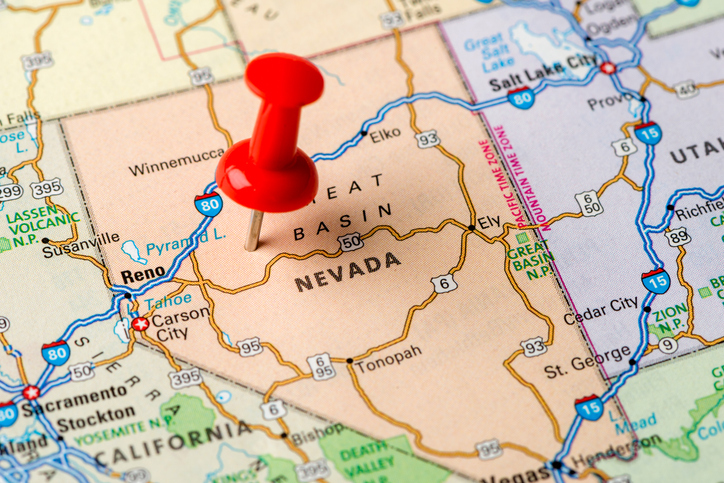
Since Nevada does not impose a personal income tax, many individuals relocate to the state to benefit from its tax-friendly environment. However, simply moving to Nevada is not enough — meeting the state’s residency requirements is important for legally claiming state residency. Residency status can impact tax obligations, voter registration, tuition rates and legal documentation. If you split time between Nevada and another state, work remotely or own properties in multiple locations, you will need to take the necessary steps to confirm your residency. Failure to properly establish Nevada residency could result in tax complications with other states that may still claim you as a resident.
Consulting with a financial advisor can help you navigate the complexities of state residency laws, ensuring compliance and minimizing your tax liability.
What Are the Nevada Residency Requirements?
Nevada residency generally depends on physical presence in the state, although the steps needed to establish residency can vary depending on the purpose. This can be particularly important for people moving from states with income taxes, since their former state may have separate rules for determining when residency ends.
The state generally considers you a Nevada resident when you are physically present in Nevada and take steps to establish residency.
- You establish a residence in Nevada.
- You obtain a Nevada driver’s license or state identification card when required.
- You register your vehicle in Nevada when required.
- You may register to vote in Nevada.
- You use your Nevada address for relevant financial, business or estate planning documents.
- You can establish additional ties to the state through a lease, home purchase or other records showing Nevada residence.
Because Nevada does not impose an individual state income tax, people moving there may need to pay particular attention to the residency requirements of the state they leave. Owning property, maintaining a residence or spending substantial time in a former state could affect whether that state continues to treat you as a resident for tax purposes.
How Can You Prove You Meet the Residency Requirements for Nevada?

Establishing Nevada residency requires providing documentation that verifies both your physical presence and intent to remain in the state. Residency proof is necessary for vehicle registration, voter eligibility, in-state tuition and legal filings. If you are leaving a state with an income tax, having strong documentation also helps you prove to the former state that you no longer owe taxes there.
Common documents used to prove Nevada residency include:
- A Nevada driver’s license or ID: All new residents must obtain a Nevada driver’s license or identification card within 30 days of moving.
- Vehicle registration: If you own a vehicle, it must be registered in Nevada within 45 days of becoming a resident, and your auto insurance must be updated to reflect your new address.
- A lease or mortgage agreement: A signed rental agreement, home purchase documents or property tax records serve as residency proof.
- Utility bills in your name: Electric, water or internet bills at your Nevada residence help establish a physical presence.
- Voter registration and election participation: Registering to vote and casting a ballot in Nevada demonstrate intent to remain in the state.
- Employment or business records: Pay stubs, employer verification letters or business registrations tied to Nevada confirm economic ties.
- Bank statements and insurance policies: Updating your banking and insurance information to a Nevada address reinforces your residency status.
While a combination of these documents will solidify your Nevada residency, it is also essential to sever official ties with your previous state. If you still own property, maintain a mailing address or spend significant time elsewhere, another state could claim you as a tax resident.
Why Your Previous State May Still Consider You a Resident
Moving to Nevada does not automatically end your tax residency in another state. If you relocate from a state that imposes an income tax, that state may continue to claim you as a resident if you maintain significant personal or financial connections there.
For example, failing to replace your previous driver’s license or update your voter registration after moving, using your former address for financial accounts or spending substantial time in your old state could make it more difficult to demonstrate that Nevada has become your permanent domicile. Some states examine the totality of your circumstances rather than relying on a single factor.
To strengthen your Nevada residency, update your legal and financial records as soon as possible after moving. Changing your mailing address, closing or relocating local accounts where appropriate and documenting your time spent in Nevada can help demonstrate that you have established Nevada as your permanent home. This can be especially important if your former state questions your residency for tax purposes.
Frequently Asked Questions
What If I Own Homes in Multiple States?
If you own homes in more than one state, you must clearly define which one is your primary residence. Nevada does not have an income tax, but if you spend significant time in another state with an income tax, that state may still consider you a resident. Minimizing ties to your previous home state, such as closing bank accounts or surrendering your old driver’s license, can help prevent tax conflicts.
What If I Live in Nevada, but Work in Another State?
If you live in Nevada but work in a neighboring state like California, you may still owe state income tax on the wages earned in that state. Many states tax non-resident income, meaning you will need to file a non-resident tax return for work-related earnings while maintaining Nevada residency.
What If I Live in Another State, but Work in Nevada?
Individuals who live outside Nevada but earn income from Nevada-based employment or businesses generally do not owe Nevada state income tax. However, residency rules in your home state could still require you to report this income. Check with your state’s tax agency to determine your obligations.
Bottom Line

Meeting Nevada residency requirements is key to taking advantage of the state’s lack of personal income tax. Establishing clear ties to Nevada while severing those with your previous state ensures that you will not face unwanted tax liabilities. Key steps include obtaining a Nevada driver’s license, registering to vote, securing a permanent address and updating financial records. If you own property in multiple states or work across state lines, the residency process can become more complex. Seeking guidance from a financial advisor can help ensure that you remain compliant with tax laws and maximize the benefits of Nevada residency.
Tips for Tax Planning
- A financial advisor with tax experience can provide the necessary expertise to help you navigate the dangers of tax planning while managing your investments. Finding a financial advisor doesn’t have to be hard. SmartAsset’s free tool matches you with vetted financial advisors who serve your area, and you can have a free introductory call with your advisor matches to decide which one you feel is right for you. If you’re ready to find an advisor who can help you achieve your financial goals, get started now.
- An income tax calculator can help you estimate what you might owe this year or next in taxes, based on your unique situation.
Photo credit: ©iStock.com/standret, ©iStock.com/Kajdi Szabolcs, ©iStock.com/Rawpixel