 Edited by
  Edited by
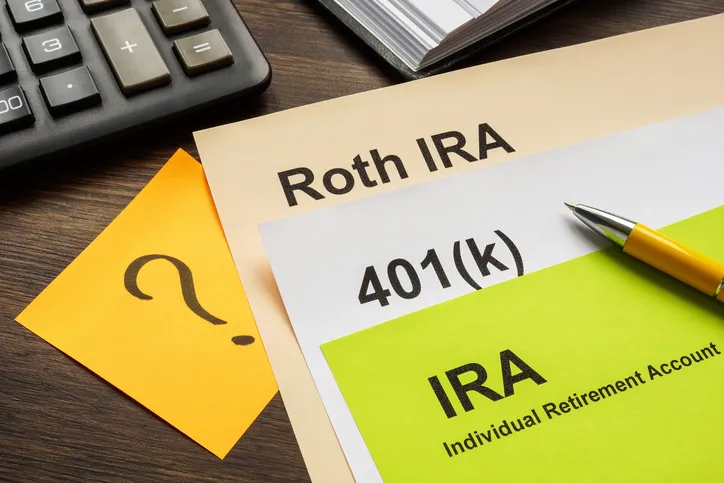
The main difference between taxable, tax-deferred and tax-free accounts lies in when you pay taxes on your money. Taxable accounts generate tax obligations on dividends, interest and realized capital gains in the year they occur. In contrast, tax-deferred accounts like traditional 401(k)s and IRAs let you postpone taxes until you withdraw funds in retirement. Meanwhile, tax-free accounts, such as Roth IRAs and Roth 401(k)s, require after-tax contributions but allow your money to grow and be withdrawn tax-free. Each account type offers distinct advantages depending on your current income, expected future tax bracket and financial goals.
A financial advisor can help you explore a mix of taxable, tax-deferred and tax-free accounts for your assets. Connect with an advisor for free.
How Each Account Type Works
Before choosing between these account types, it’s helpful to understand their specific mechanics. We’ll break down how each one handles contributions, growth and withdrawals.
Taxable Accounts
Taxable accounts include both investment vehicles like brokerage accounts and savings vehicles like high-yield savings accounts, money market accounts and certificates of deposit (CDs). These accounts offer complete flexibility in how you save, invest and access your money. You can deposit and withdraw funds at any time without penalties or restrictions.
With brokerage accounts, you owe taxes on dividends and interest in the year you receive them. Selling an investment at a profit generally results in capital gains taxes. Gains on assets held for less than a year are taxed at ordinary income rates, while gains on assets held longer than a year are typically taxed at lower long-term capital gains rates. Savings vehicles like high-yield savings accounts and CDs generate interest income that’s taxed as ordinary income in the year you earn it.
Tax-Deferred Accounts
Tax-deferred accounts like traditional 401(k)s and IRAs allow you to contribute pre-tax dollars. This effectively reduces your taxable income in the year you contribute. Your investments then grow without generating annual tax bills. You pay ordinary income taxes when you withdraw money, typically in retirement. These accounts have annual contribution limits and generally require you to start taking required minimum distributions (RMDs) at age 73 (or 75 for people born in 1960 or later).
Tax-Free Accounts
Tax-free accounts like Roth IRAs and Roth 401(k)s work in the opposite way of tax-deferred accounts. You contribute money that’s already been taxed, but all future growth and qualified withdrawals are completely tax-free. This means that you can access decades of investment gains without any tax liability. Roth accounts do have contribution limits, though, and income restrictions may apply for Roth IRAs.
Asset Location: Using All Three Account Types Together
Most investors benefit from holding all three account types simultaneously and strategically placing different investments based on tax efficiency. This strategy, known as asset location, can help you minimize your overall tax burden and maximize after-tax returns.
Investments that tend to produce higher taxable income, such as bonds, REITs and actively managed funds, are often better suited for tax-deferred accounts, where those earnings can grow without creating annual tax liabilities. Meanwhile, growth stocks and index funds that produce minimal dividends fit well in Roth accounts, where decades of compounding can occur completely tax-free. Taxable accounts are often ideal for tax-efficient investments like municipal bonds or stocks you plan to hold long-term to benefit from lower capital gains rates.
Consider this scenario: You’re 35 years old with $100,000 to invest across all three account types. You might place high-yield bonds in your traditional IRA to shelter the interest income. Then, you could put aggressive growth stocks in your Roth IRA to capture tax-free appreciation over 30 years. Adding a diversified stock index fund in your taxable account could provide flexibility and favorable long-term capital gains treatment. This approach would give you tax diversification, withdrawal flexibility and optimized growth potential across your entire portfolio.
Pros and Cons of Each Account Type
Each account type comes with tradeoffs that make it better suited for different financial situations and goals. Understanding the specific advantages and limitations of taxable, tax-deferred and tax-free accounts can help you decide how to allocate your savings across them.
The following table outlines the key pros and cons of each account type:
| Account Type | Pros | Cons |
|---|---|---|
| Taxable | • No contribution limits • Withdraw anytime without penalties • Access to favorable long-term capital gains rates • No required minimum distributions | • Annual taxes on dividends and interest • Taxes on realized capital gains • No upfront tax deduction for account contributions |
| Tax-Deferred | • Immediate tax deduction on contributions • Tax-free growth until withdrawal • May be in lower tax bracket at withdrawal | • Annual contribution limits • 10% penalty on withdrawals before age 59 ½ • RMDs starting at age 73 • Withdrawals taxed as ordinary income |
| Tax-Free | • Tax-free growth and qualified withdrawals • No required minimum distributions • Withdraw contributions anytime penalty-free | • No upfront tax deduction • Annual contribution limits • Income restrictions may apply (Roth IRA) • 5-year rule for earnings withdrawals |
Choosing Which Accounts to Hold
Your decision depends largely on your current tax bracket compared to what you expect in retirement.
If you’re early in your career with a relatively low income, Roth accounts may make sense. This is because you’re paying taxes at today’s lower rates in exchange for tax-free withdrawals later. For example, if you’re 28 years old earning $50,000 annually in the 12% tax bracket, paying taxes now and contributing to a Roth IRA means your investments can grow tax-free for nearly 40 years.
On the other hand, if you’re in your peak earning years with a high tax bracket, tax-deferred accounts can provide valuable immediate deductions. A 45-year-old earning $180,000 in the 32% bracket might save over $6,000 in taxes by maxing out a traditional 401(k).
Your timeline also matters significantly. The longer your money can grow, the more valuable tax-free compounding becomes in Roth accounts. Consider your need for flexibility as well. If you’re 35 and saving for both retirement and a potential home purchase in five years, you might split contributions between a Roth IRA for retirement and a taxable account for your down payment. That way, you avoid the complications of early withdrawal penalties.
Bottom Line

Balancing taxable, tax-deferred and tax-free accounts can give you flexibility to manage your tax liability both now and in retirement. While tax-deferred accounts offer immediate savings, Roth accounts provide long-term tax-free growth and taxable accounts deliver liquidity without restrictions. The right mix depends on your income level, time horizon and financial objectives.
Portfolio Management Tips
- A financial advisor may provide guidance during market changes and help coordinate investment decisions with tax and retirement planning. Finding a financial advisor doesn’t have to be hard. SmartAsset’s free tool matches you with vetted financial advisors who serve your area, and you can have a free introductory call with your advisor matches to decide which one you feel is right for you. If you’re ready to find an advisor who can help you achieve your financial goals, get started now.
- Your investment mix should reflect what you’re trying to achieve and when you’ll need the money. Longer time horizons may allow for more exposure to growth-oriented assets, while shorter timelines often call for a more conservative approach.
Photo credit: ©iStock.com/designer491, ©iStock.com/KaraGrubis, ©iStock.com/pinkomelet