


For many investors, a family trust may be a key part of a smart estate and financial plan, especially for preserving and passing on wealth.
A family trust is a specific type of trust you could use to help ensure your loved ones receive your wealth, and potentially avoid public disclosure of trust assets.
Wondering if a family trust is right for your assets? Speaking with a financial advisor could be a good first step to answering that question and potentially setting one up.
Benefits of a family trust:
- Avoid probate: Helps keep matters private and potentially saves your heirs time and legal fees.
- Shield assets: Potentially protect assets from creditors, lawsuits, and even divorce.
- Legacy planning: Define how and when beneficiaries receive their inheritance
- Tax strategy: Trusts can potentially be used proactively to help minimize estate tax exposure.
However, setting up a trust isn’t one-size-fits-all. There are important choices to make:
- Revocable or irrevocable?
- Who serves as trustee?
- How will it be funded and maintained over time?
How to Set Up a Family Trust
Speaking with a financial advisor may help find the trust option that best suits your needs.
Next, a trustee must be designated – yourself or someone else.
Then, decide which family members you want to potentially benefit from the trust and determine exactly what they may get.
From there, you’d create the trust agreement. This is when it could be better to work with a professional, especially if you have substantial assets.
Next, the trust must be funded by transferring assets to the ownership of the trustee.
These decisions will likely depend on your specific goals, family dynamics, and long-term strategy.
This could be why many investors may work with a fiduciary financial advisor to help integrate trust planning into their broader wealth planning strategy.
Advisors may be able to help coordinate with estate attorneys, optimize for tax efficiency, and ensure your trust supports your retirement, investment and legacy goals.
SmartAsset’s latest proprietary model reveals that working with a financial advisor could potentially add from 36% to 212% more dollar value to investors’ portfolios over a lifetime, depending on multiple unique, individual factors. 1
Net worth from age 45 to 77
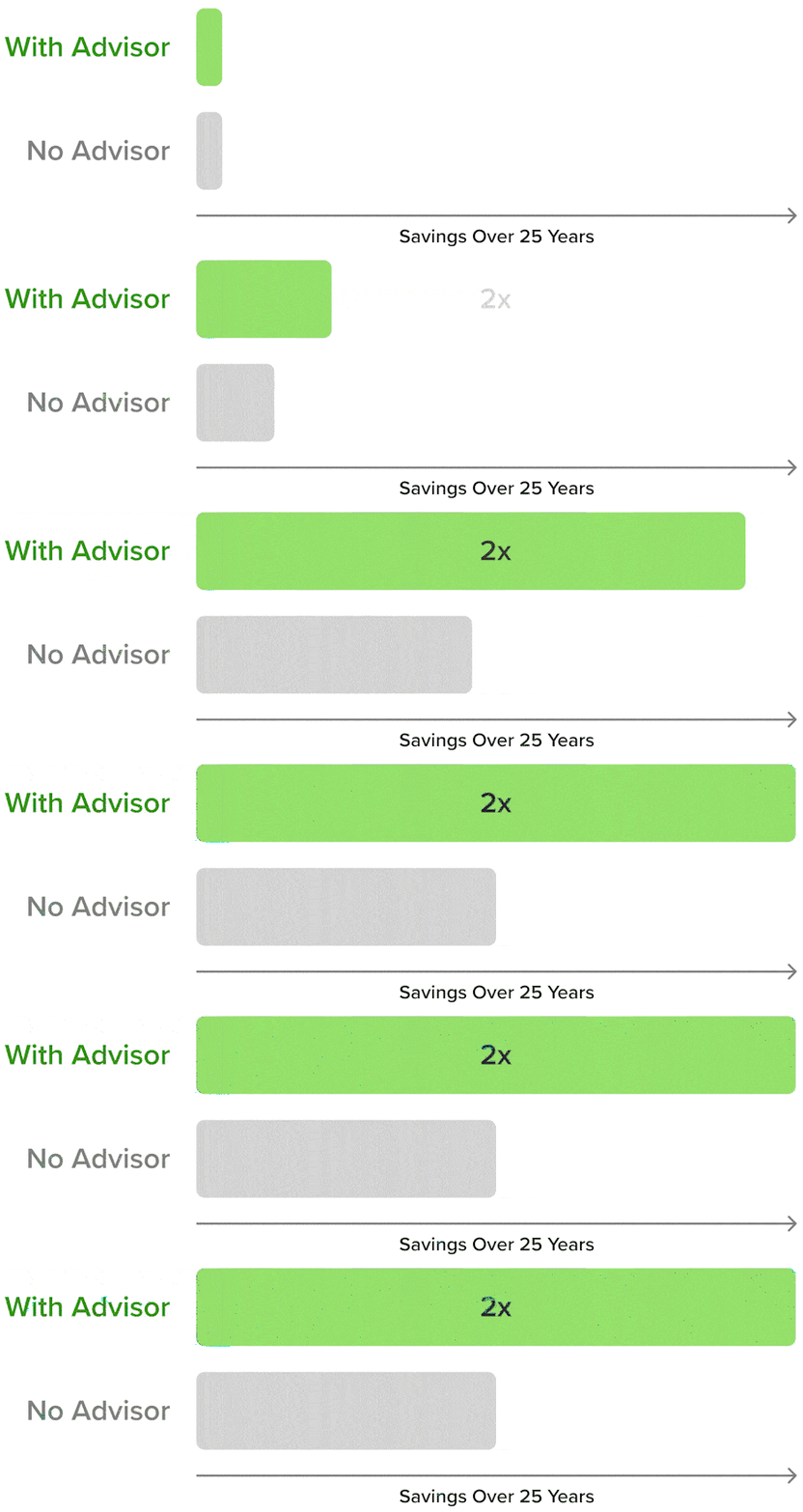
Disclaimer: This example demonstrates the potential final lifetime portfolio value, accounting for estimated investment returns, tax savings and inflation over different life stages for an individual starting with $500,000 at age 45, through age 77. Under a set of core assumptions, this consumer profile is projected to have a final lifetime portfolio value of approximately $3.24 million if retaining the services of a financial advisor – not accounting for additional savings or portfolio withdrawals – versus a final estimated lifetime portfolio value of $1.56 million without the services of a financial advisor. This example is based on the valuation framework presented in SmartAsset’s whitepaper “The Value of a Financial Advisor: What’s It Really Worth?” (Nov. 2024). The value of professional financial advice is only an illustrative estimate and varies with each unique client’s individual circumstances and portfolio composition. Carefully consider your investment objectives, risk factors, and perform your own due diligence before choosing a financial advisor.
If you’re thinking about creating or updating a trust, now may be the right time to speak with a fiduciary financial advisor.
That’s why we created a free tool to help match you with vetted financial advisors who serve your area, each legally bound to work in your best interest.
It’s never too late to plan to work toward a comfortable retirement. Get your financial advisor matches today.
Article Sources
All articles are reviewed and updated by SmartAsset’s fact-checkers for accuracy. Visit our Editorial Policy for more details on our overall journalistic standards.
Back to top