 Written by
  Edited by
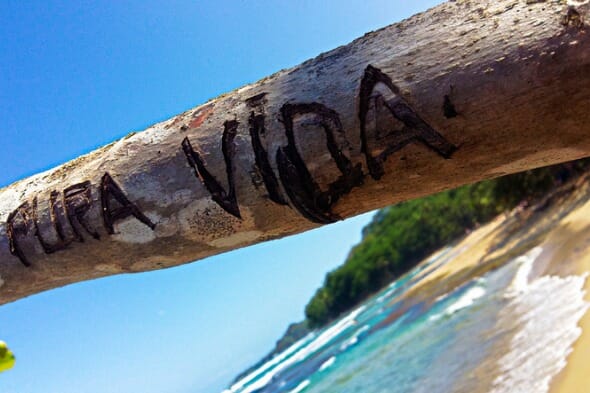
No matter your age, you’ve probably dreamed of retiring on a sandy beach somewhere at some point. Perhaps you’ve started planning your retirement in Florida or San Diego. An even more attractive move could be retiring on a tropical island, such as Costa Rica. Retiring to Costa Rica has proven to be incredibly affordable for Americans, though you’ll want to plan for it.
A financial advisor can help you prepare for a retirement abroad.
Average Cost to Retire in Costa Rica
According to August 2026 data from Numbeo, the average monthly cost of living in Costa Rica is $957.60 per month. This total does not include rent. Housing prices average $880 for a single bedroom and $1,740 for a three-bedroom in major cities. So if you want to retire in Costa Rica you can anticipate spending between $1,800 and $2,700 a month. For long-term budgets this totals $21,600 to $32,400 a year. 1
To be sure, the lifestyle you plan to live will determine how much a Costa Rican retirement will cost you. For example, if you choose to eat out at restaurants every night your retirement will cost more. Luckily, the country’s lower cost of living compared to the U.S. means your retirement savings last longer. Especially if you choose to live modestly. So if you’re cooking at home, you’ll find you can easily spend under $200 a month on food.
Retiring in Costa Rica: Emigration Programs
For Americans, Costa Rica is just a short plane ride away, making the journey there easy enough. But once you’re there, you’ll need to have the proper paperwork to stay and enjoy your retirement. 2
Your first resident option is enrolling in the Pensionado Program, which is made for retirees. To qualify, you’ll need a monthly income of at least $1,000 from a pension or retirement fund. 3 You’ll then have to transfer those funds into a Costa Rican bank account and exchange it into local currency. Then you can withdraw and spend it during your stay.
Your second emigration option is the Rentista Program. This may work better for those who don’t have enough fixed retirement income. You can qualify if you provide proof of a current cash balance of at least $60,000. You can also show a monthly income of at least $2,500 for two years. Again, you must transfer the qualifying funds into a Costa Rican bank account to be able to withdraw and spend. 4
The third and last option is the Inversionista Program. This requires you to immediately invest at least $200,000 in an approved Costa Rican business or property.
Each of these programs charges a $250 application fee in addition to their income requirements. Plus, the consulate will charge $40 per document for authentication. This comes on top of any fees for document translation, notarization and obtaining official documents. 5 You will also have to renew your program status every two years, which costs $100 for each renewal. You must provide the same income information and documents for each renewal. After three consecutive renewals, you can apply for permanent resident status.
Retiring in Costa Rica: Housing

Most American retirees in Costa Rica choose to rent instead of buying a home or apartment. For a sizable home or condo in a city, you can expect to pay an average of $1,740 per month in rent. If you’re looking for something bigger or if you have more funds in your housing budget, you can find larger homes between $2,000 and $2,500 per month. On the other hand, you can find dwellings considerably cheaper outside of a city center. the average cost to buy property in metropolitan areas is $211 per square foot. 6 Utilities, like water, electricity and garbage collection, typically total an extra $100 per month. Costa Rica also boasts solid Internet service, with unlimited coverage costs reaching about $60.
Retiring in Costa Rica: Taxes
Costa Rica generally taxes income earned within its borders rather than worldwide income. As a result, many common sources of U.S. retirement income, including Social Security benefits, pensions and retirement account withdrawals, are generally not subject to Costa Rican income tax when they qualify as foreign-source income. If you earn income from work, a business or rental property in Costa Rica, however, that income may be subject to Costa Rican taxes. 7
U.S. citizens generally must continue filing U.S. federal tax returns after moving to Costa Rica. Your retirement income, investment earnings and other worldwide income may still be subject to U.S. tax rules, even if you no longer live in the United States. Depending on the value of your foreign financial accounts, you also may have additional reporting requirements for your international tax planning, such as filing a Foreign Bank Account Report (FBAR) or Form 8938.
There is no tax treaty between the U.S. and Costa Rica, which means there’s no formal agreement coordinating how the two countries tax the same income. This makes tools like the Foreign Tax Credit more important if you do earn taxable income locally, since that credit can help offset U.S. tax owed on income already taxed by Costa Rica.
Because you’ll be subject to two different tax systems, planning ahead can help you avoid unexpected issues. A financial advisor and a tax professional with cross-border experience can help you coordinate retirement withdrawals, investment income and account reporting before and after your move.
How to Save for Your Retirement
No matter where you want to retire, saving for retirement throughout your life is a crucial part of your financial health. The average retirement account balance for those 65 and older in the U.S. is around $600,000, according to the Federal Reserve Board. In addition, retired Americans receive about $1,783 a month in Social Security benefits (as of February 2025).
Due to the lower cost of living in Costa Rica, meeting these amounts can cover the average annual cost of retiring there. Again, living more modestly in retirement will help your money last longer. You can also choose to save more towards your retirement so you can afford more.
Unlike the U.S., Costa Rica offers universal healthcare. The government-run system, known as Caja, charges residents a low monthly fee based on your income. This fee covers doctor’s visits, medicines, surgeries and more. You may choose to visit private clinics or hospitals, which you can pay for in cash, and sign up for a private health insurance plan.
To get your retirement savings started, you should take advantage of your employer-sponsored 401(k) if you can. You should also contribute as much of your paycheck as you reasonably can to maximize your savings. If you don’t have a 401(k), or to even supplement those savings, consider opening an IRA, or individual retirement account.
Again, it helps to contribute as much as you can to these accounts. Not only will it boost your savings, but it can decrease your tax burden for the year, as well. If you find yourself needing help to maximize your savings, it can help to find a Certified Financial Planner™ (CFP®), an advisor who can help you plan for retirement.
Bottom Line

Retiring in a foreign country like Costa Rica presents an enticing opportunity for Americans seeking a high quality of life at a lower cost. With significantly more affordable rent, food, and healthcare compared to the U.S., retirees can make their savings last longer while enjoying a comfortable lifestyle. However, success in this venture depends on careful planning—ensuring you have the right financial strategy, residency requirements, and healthcare arrangements in place. With the right preparation, Costa Rica can be a rewarding and financially sustainable retirement destination.
Tips on Saving for Retirement
- Planning for retirement is a difficult task, and doing so abroad can lead to even more roadblocks. A financial advisor can help you get your plans in order, though. Finding a financial advisor doesn’t have to be hard. SmartAsset’s free tool matches you with vetted financial advisors who serve your area, and you can have a free introductory call with your advisor matches to decide which one you feel is right for you. If you’re ready to find an advisor who can help you achieve your financial goals, get started now.
- No worries if you want to take a more DIY approach to your savings, though. A retirement calculator like ours can give you a specific goal to start saving toward.
Photo credit: ©iStock.com/JoséAndrés 22 CR, ©iStock.com/DavorLovincic, ©iStock.com/monkeybusinessimages
Article Sources
All articles are reviewed and updated by SmartAsset’s fact-checkers for accuracy. Visit our Editorial Policy for more details on our overall journalistic standards.
- Numbeo. https://www.numbeo.com/cost-of-living/country_result.jsp?country=Costa+Rica&displayCurrency=USD. Accessed Aug. 3. 2026.
- https://migracion.go.cr/wp-content/uploads/2025/10/Reglamento-a-la-Ley-N%C2%B0-9996-Ley-para-la-atraccion-de-inversionistas-rentistas-y-pensionados.pdf. Accessed Aug. 3. 2026.
- Residencies.io. https://residencies.io/residency/costa-rica/temporary-residency/cr2. Accessed Aug. 3. 2026.
- Residencies.io. https://residencies.io/residency/costa-rica/temporary-residency/cr1. Accessed Aug. 3. 2026.
- Residencies.io. https://residencies.io/residency/costa-rica/temporary-residency/cr3. Accessed Aug. 3. 2026.
- Numbeo. https://www.numbeo.com/property-investment/in/San-Jose-Costa-Rica?displayCurrency=USD. Accessed Aug. 3. 2026.
- Costa Rica – Individual – Taxes on Personal Income. June 30, 2026, https://taxsummaries.pwc.com/costa-rica/individual/taxes-on-personal-income.